
People
A Day in the Life of a Sustainability Consultant
28 March 2025
By BCA
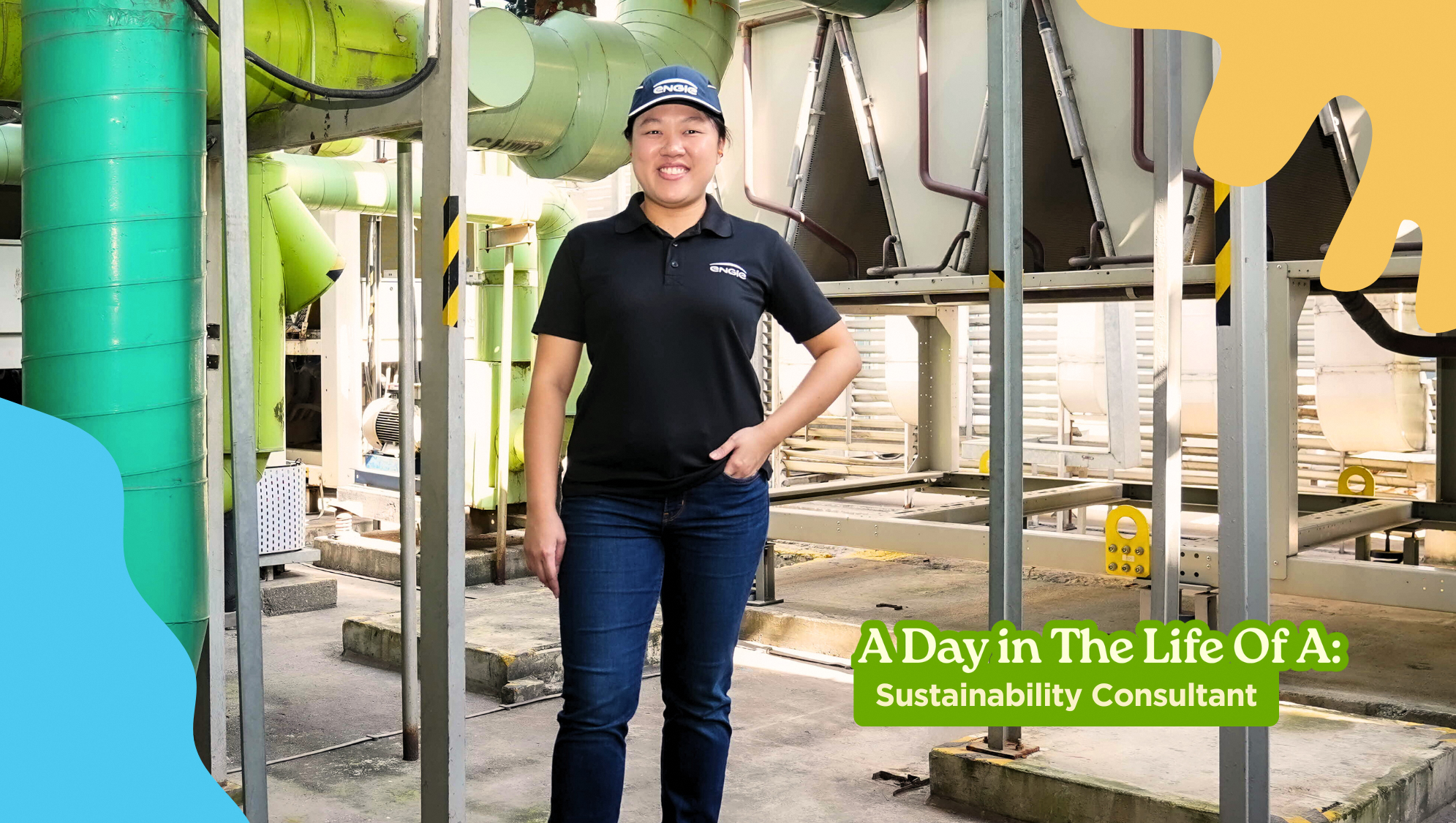
For Seet Kwang Jen, becoming a sustainability consultant was not just a career move but an opportunity to upskill and specialize. With a mechanical engineering background, she saw the increasing demand for energy efficiency in buildings and recognized how her expertise could make a real difference.
By embracing sustainability, Jen transitioned from traditional engineering into a field that challenges her to think beyond conventional systems and work with more innovative, greener solutions.
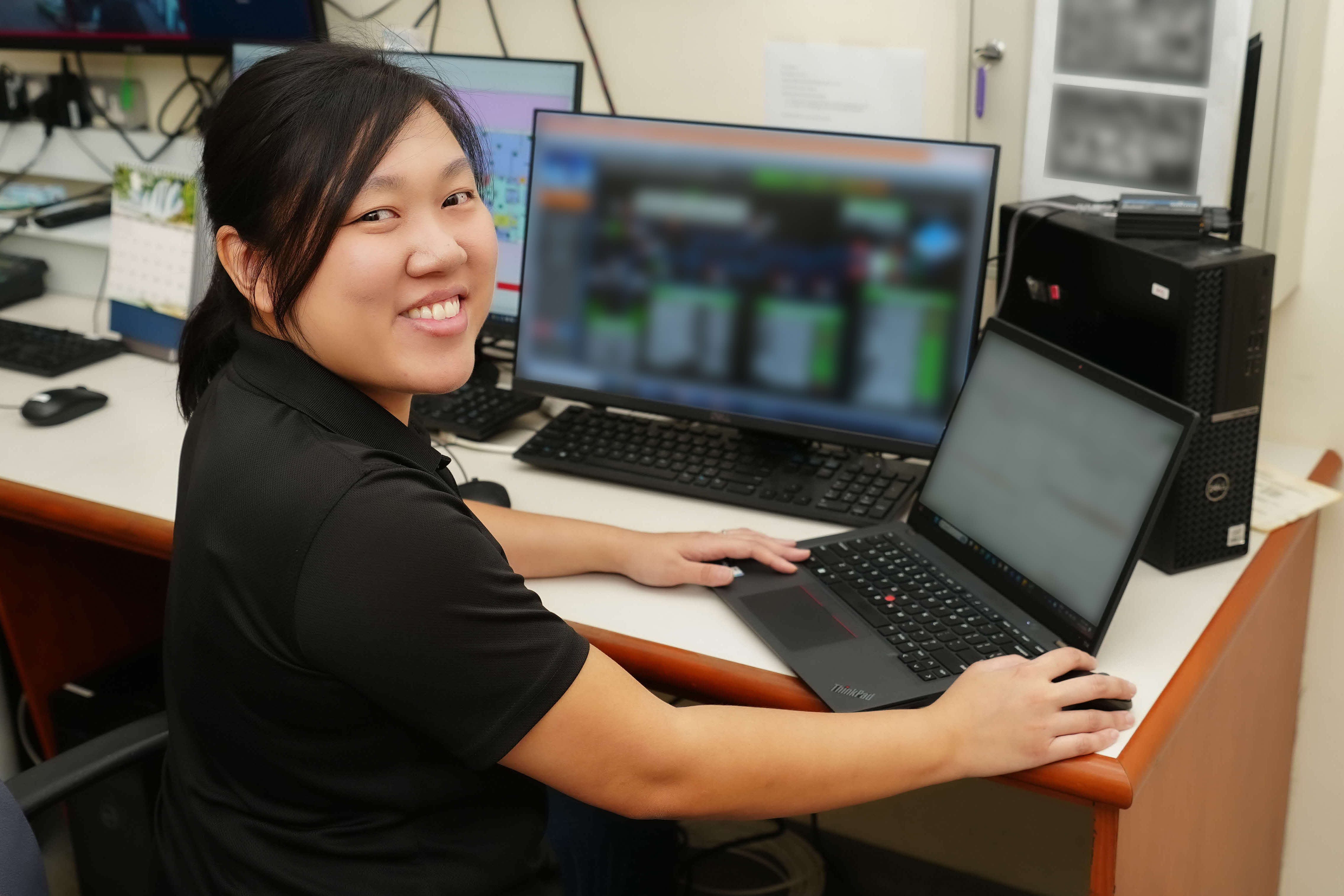
Jen starts her day by checking performance of chilled water plant
Jen’s day begins like that of a doctor performing a health check. Instead of patients, her focus is on buildings: examining energy usage, identifying inefficiencies, and prescribing solutions to optimise performance. Her first stop? The Building Management System (BMS), a crucial tool that provides real-time data on chilled water temperatures, condenser water temperatures, and chiller performance. “I start my day by reviewing these numbers, and it’s like taking the building’s pulse,” she explains. “It helps me understand what’s happening before stepping into the plant itself.”
One memorable case in her career involved diagnosing an ageing air-cooled chiller that consumed excessive energy. By analysing the data and understanding the building’s operations, Jen and her team, proposed switching to a more efficient water-cooled chiller. The result? Lower energy consumption, reduced costs, and a significant reduction in carbon footprint. This success story is a testament to the impactful work of sustainability consultants.
But her work isn’t just about number crunching; it’s about bridging the gap between data and real-world solutions. Her mission is clear: Make buildings work more sustainably, not harder.
Collaboration, Challenges & Technology: Driving Sustainability Forward
There’s so much that goes on behind the scenes to make buildings sustainable, and Jen is giving us a glimpse into it. No sustainability effort happens in isolation. Jen works closely with clients, engineers, and project teams to analyse energy consumption, conduct audits, and implement improvements. This collaborative approach ensures that everyone's expertise contributes to the sustainability mission.
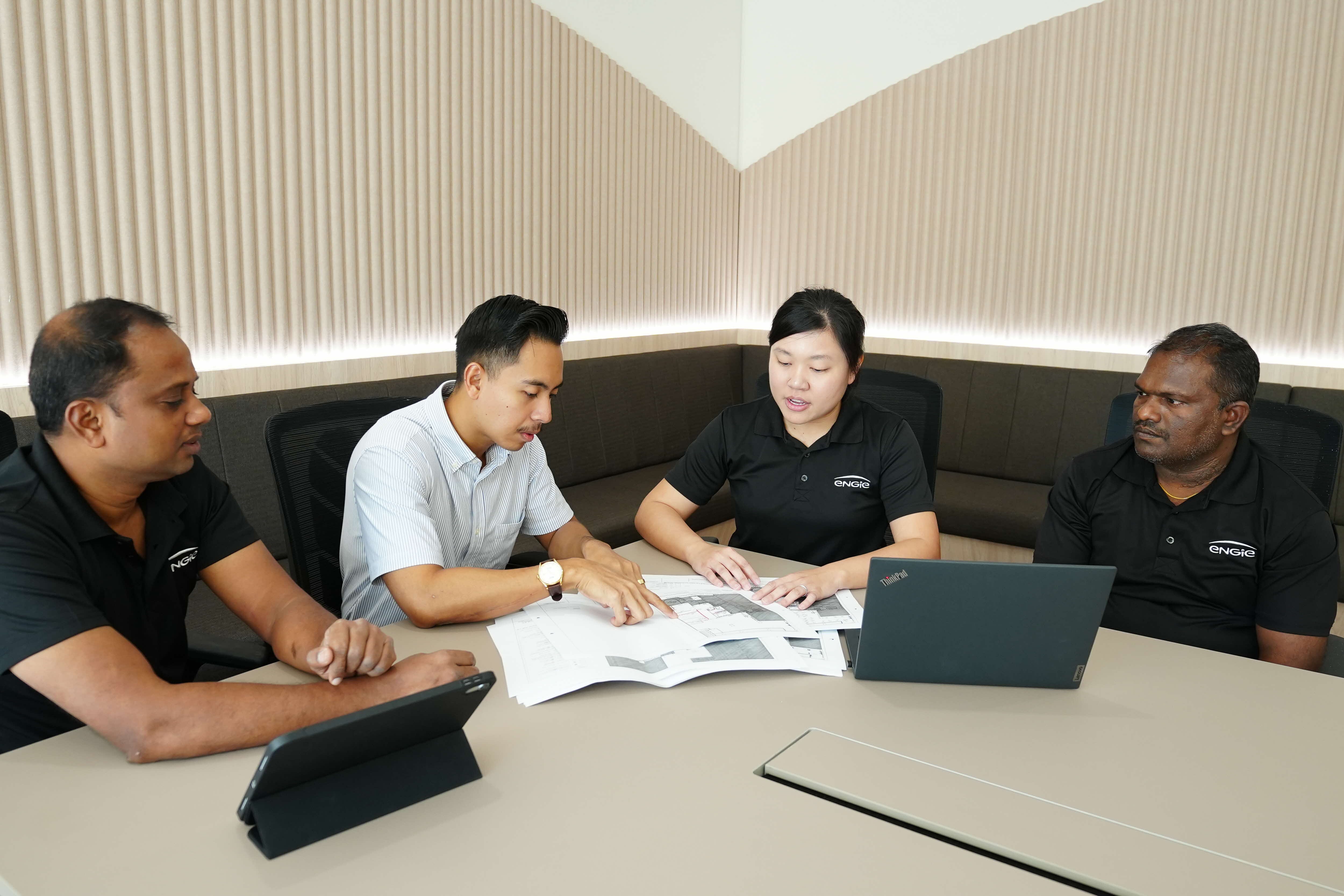
Jen having discussion with her teammates
“Every building is different, with its unique ‘health conditions,’” she shares. “An energy solution that works for one might not work for another.”
One of her biggest challenges is helping clients understand the long-term benefits of energy efficiency. “Many focus only on upfront costs,” she says. “But I show them the numbers on how energy-saving measures can bring long-term financial returns while reducing their carbon footprint.”
Technology plays a key role in her work. With thousands of data points to analyse, tools like Power BI and CoPilot streamline the process, helping her visualise energy trends, efficiency levels, and areas for improvement. These tools ensure that every solution she recommends is backed by solid data.
“With Power BI, I can quickly generate insights from thousands of rows of data, and CoPilot suggests different chart ideas for better analysis,” she explains. These technologies make sustainability efforts more efficient and effective.
This combination of collaboration, strategic planning, and technology-driven insights allows her to create tailored sustainability solutions that maximise energy efficiency and financial savings.
Creating a Lasting Impact & Advice for Future Sustainability Professionals
One of Jen’s proudest moments was helping a client achieve Green Mark 2021 Platinum certification, the highest sustainability rating for buildings in Singapore.
“Optimising air-conditioning systems may seem straightforward, but it’s quite complex,” she shares. “For example, reducing the speed of a chilled water pump too much might improve efficiency but fail to deliver sufficient cooling to the farthest parts of the building. It’s a delicate balance that requires continuous monitoring.”
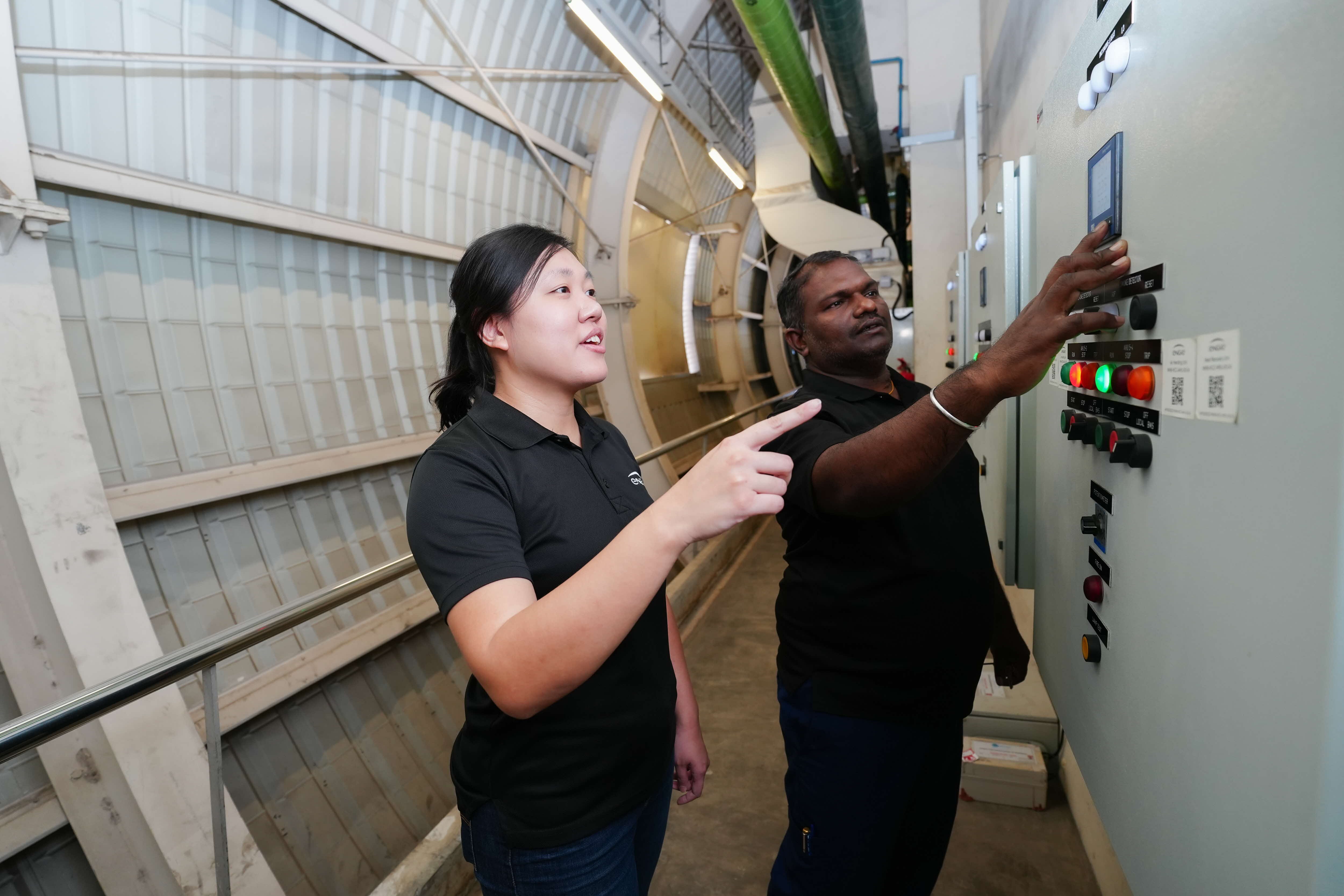
Jen is checking the reading of power meter with Facility team
But for Jen, sustainability isn’t just about energy savings; it’s about shaping the future.
“At ENGIE, we help businesses transition towards a carbon-neutral economy. My work aligns with Singapore’s Green Plan 2030, and I find it deeply fulfilling to help clients unlock real, measurable benefits,” she says.
Her advice to aspiring sustainability professionals? Stay curious, embrace problem-solving, and never stop learning.
“If you love uncovering hidden inefficiencies and thinking creatively about solutions, this is the perfect field for you,” she says. “Sustainability isn’t just about recycling; it’s about designing smarter, greener systems that make our cities more resilient.”